Engineering Club crest Foothill Engineering Club
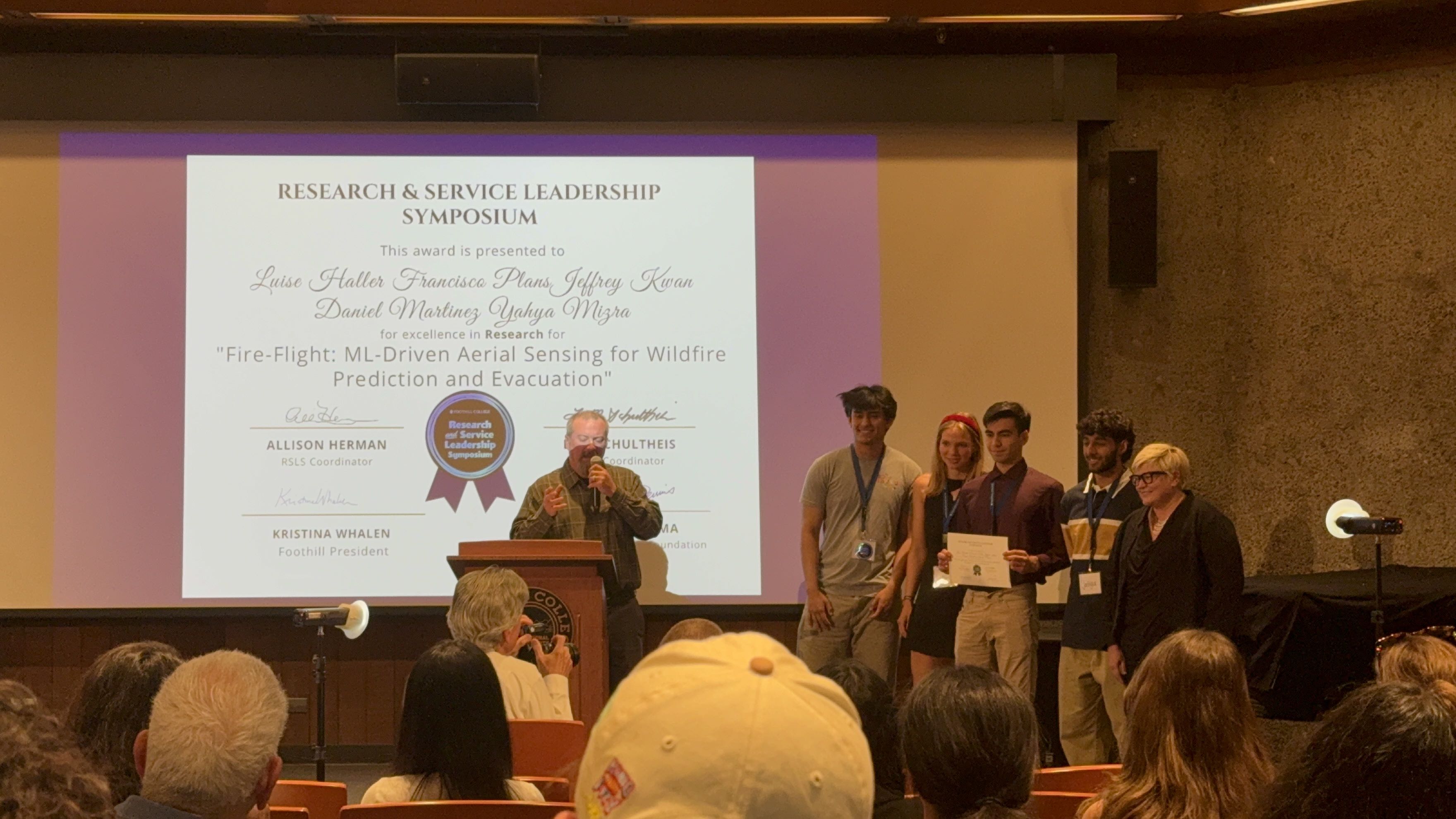
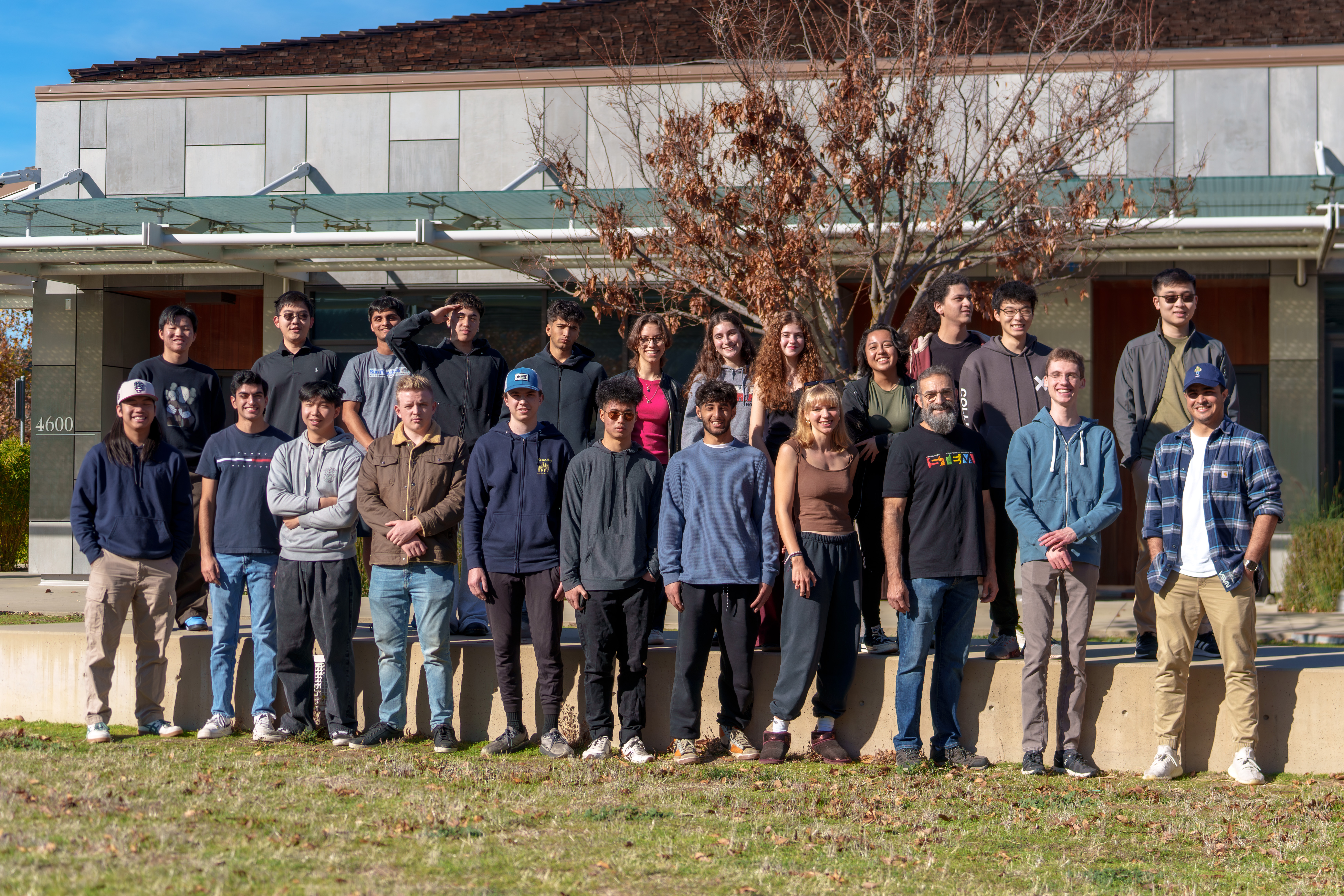
Engineering Club members posing together with a finished project

Foothill College

Engineering
Club Handbook

Project‑Based  ·  Beginner‑Friendly  ·  Community‑Driven

Start Here

Welcome to the Club

We're a project-based community where students learn by building things together.

No experience is required, curiosity is enough.

This handbook will help you:

  • Understand how the club works
  • Start or join a project
  • Feel confident, even if you're new to engineering
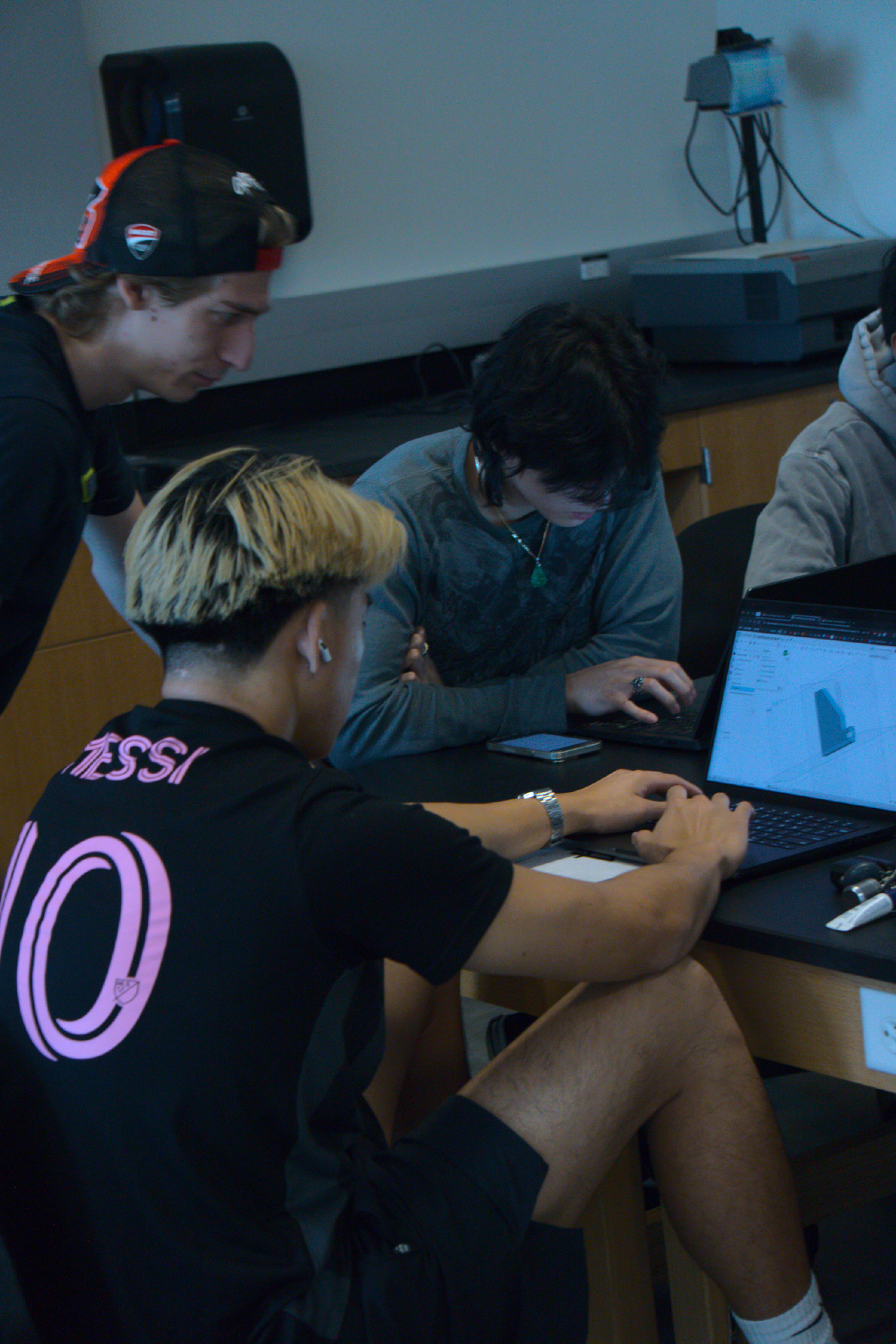
A member working during club hours

Chapter One

What Our Club Is

A student-led, project-based community. A space for hands-on engineering, open to every major and every skill level.

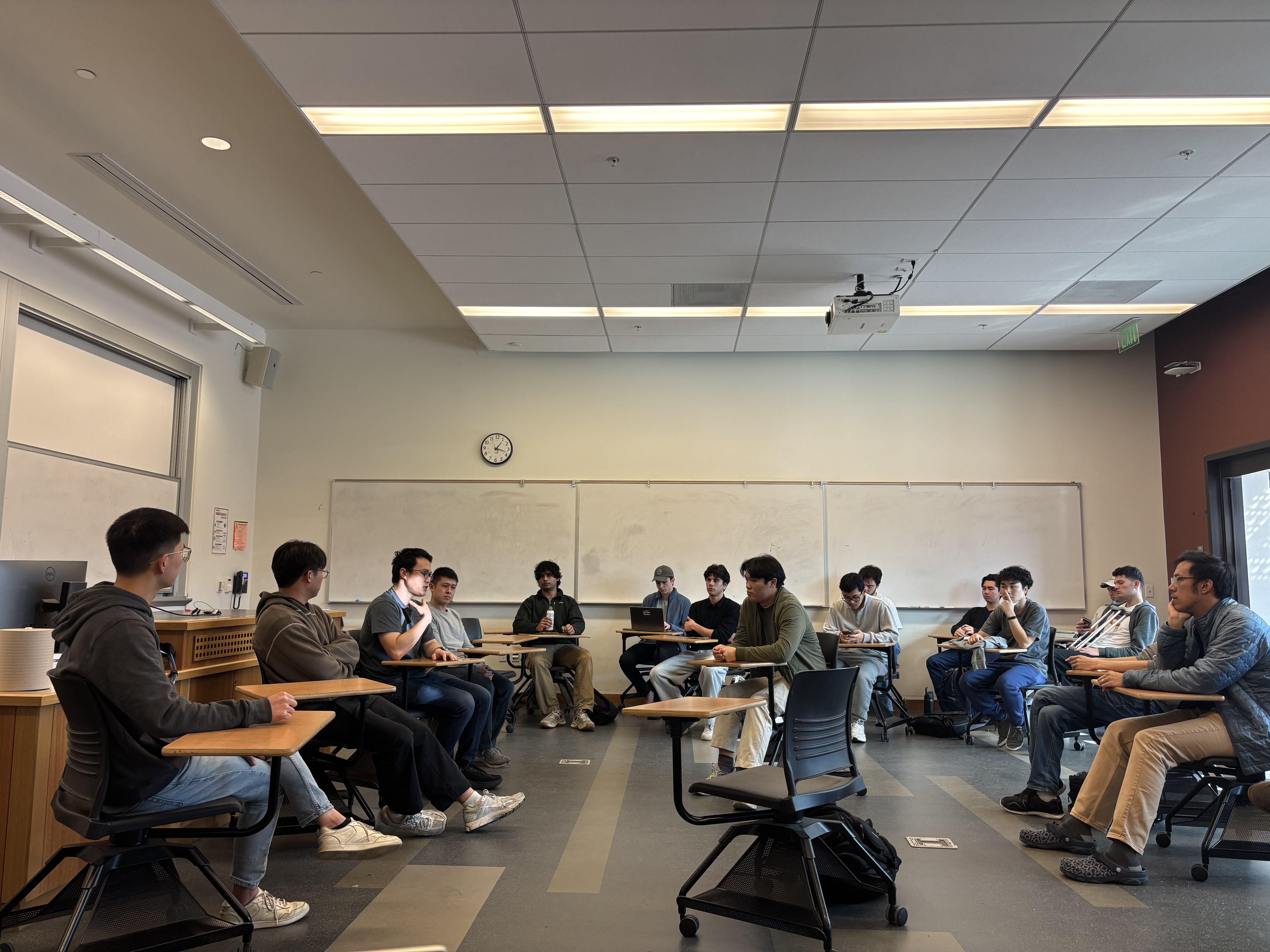
Club members hanging out together after a meeting

Why Join

What You'll Walk Away With

Members leave with more than a finished build. It's skills and connections that carry into internships, research, and your career.

Hands-On CAD & Fabrication

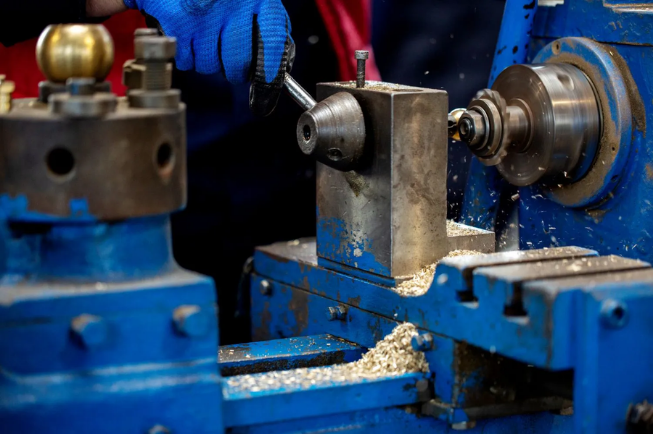
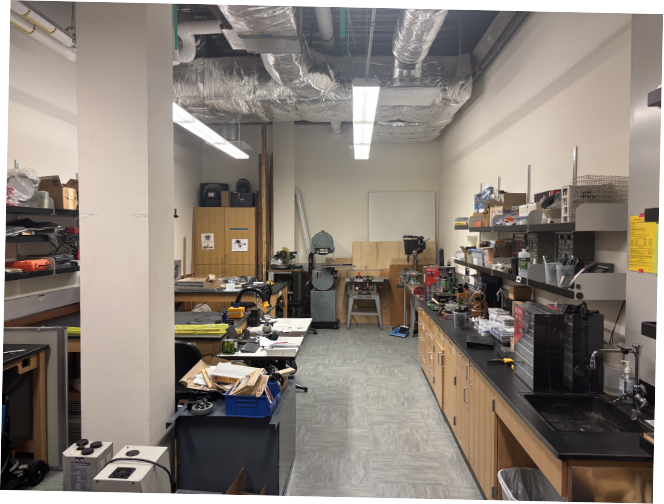
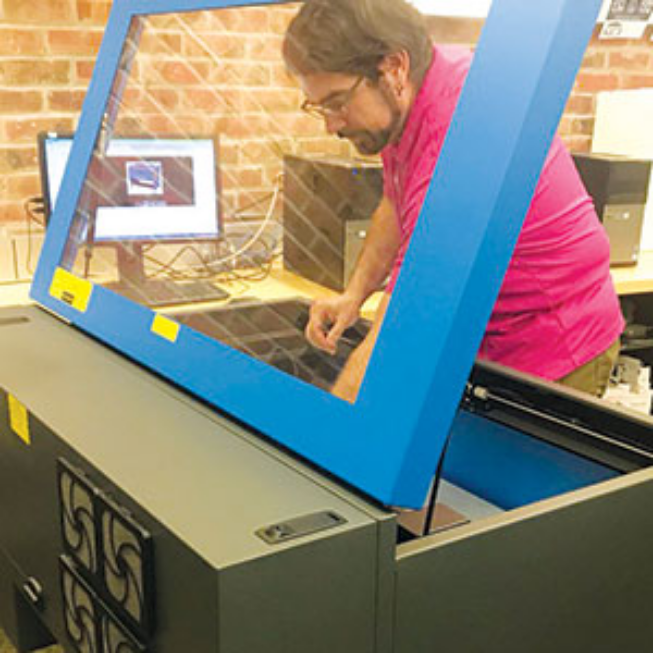
Try CAD, soldering, circuitry, laser cutters, 3D printing, and the machine shop, often before you've even taken the class.

Read More

It's helped people figure out whether a major like EE is actually for them.

Internship & Research Leads

The club shares any opportunity it finds, and a finished project is something to point to on your resume.

Read More

Working on a build also shows you how deep a field goes. Robotic fish research is way more niche than it sounds, and a project like RC Plane is built on years of aerospace research.

Relationships With Professors & Staff

Most of our advisors are Foothill physics professors, including the one who runs The Physics Show.

Read More

That mentorship goes beyond engineering, and it can turn into a recommendation letter down the line.

Long-Term Friendships

We meet almost every Friday for hours, and just showing up consistently is enough to build friendships that stick.

Read More

What starts as something professional turns into something fun, and a lot of members keep it up for a year or two, hang out after meetings, or end up in the same classes together.

Communication & Leadership

Running meetings and coordinating a team builds communication skills, on top of the engineering.

Read More

It's a preview of what team dynamics look like after school. We've seen teams skip talking about who had time for what, so one person carried the load, then clashed with a teammate who wanted in but disagreed with what was already decided.

Programming & Problem-Solving

Projects get you thinking through problems the same way you will on the job, from wiring sensors to debugging code.

Read More

Plenty of members write their first lines of code here, before any class requires it.

Motivation & Follow-Through

Deadlines and teammates counting on you make it way easier to actually finish something.

Read More

We've had members say a club project is what finally got their Arduino kit off the shelf after months of sitting there.

A great starting point if you don't know anyone yet. You'll meet friends and mentors, and it makes college feel a lot less overwhelming. Already have project experience? There are more advanced builds ready for you to jump into.

Three Ways to Get Involved

01

Join an Existing Project

Hop onto the RC Plane, CNC Router, Fish Roe-bot, or any active build.

02

Continue a Past Project

Pick up a build that paused when its team transferred or got busy.

03

Start Your Own

Bring an idea and one teammate (minimum 2 people) and we'll help you build it.

You don't need a project to belong here. We also run hands-on workshops, networking nights, career events, and social hangouts throughout the quarter.

01–08

Existing Projects

Need An Idea?

Or Start Something New

A few starter ideas by difficulty, in case you don't have one yet.

First Builds

Freefall

Build your own marble run, like the one everyone presses in the physics hallway.

Vapor Trail

A cloud chamber that lets you see subatomic particle trails with dry ice and rubbing alcohol.

Hover

A small magnetic levitation stand where something just floats.

Talon

A small hydraulic gripping arm built from basic tubing and fluid pressure. No shop required.

Bigger Builds

Pathfinder

A line-following or maze-solving robot.

Current

A small wind or water turbine that actually charges a battery.

Span

A load-tested bridge. Design it, build it, break it, see what it actually took.

Get Niche

Voltaic

Build a working battery or fuel cell from scratch.

Skyward

An autonomous drone with a custom flight controller.

Pulse

An EMG-controlled prosthetic hand that reads a muscle signal to move the fingers.

Got an idea that's not listed here? Message us on Discord or find an officer in person, .
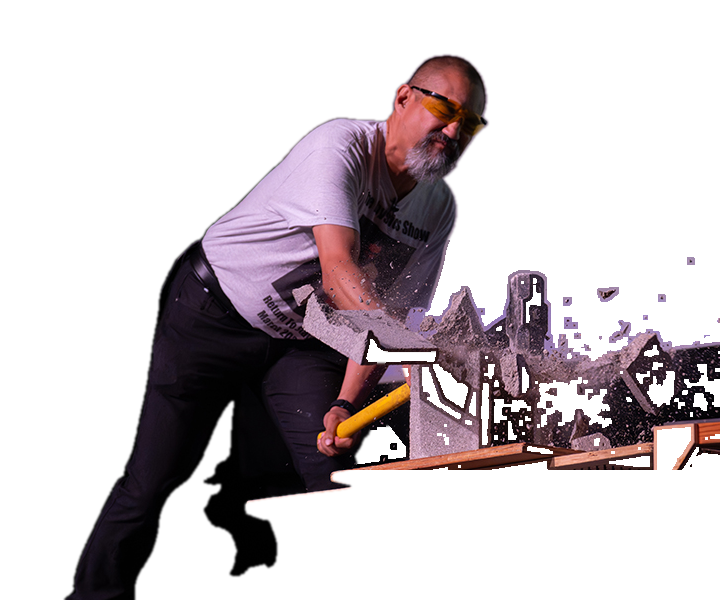
Professor Marasco smashing a cinder block with a sledgehammer,
         the block shattering into flying debris during a Physics Show demo

Professor Marasco mid-swing at a Physics Show demo. That cinder block was not a prop.

Chapter Two

How Projects Work

Projects are student-driven. Officers provide support and resources.

Every project should:

  • Have at least 2 members
  • Meet weekly (or biweekly or more), outside club times
  • Define a clear goal: learn, build, or present at a symposium
  • Document progress in a Discord channel or shared doc
  • Share updates at club meetings, Fridays at 12:30 PM
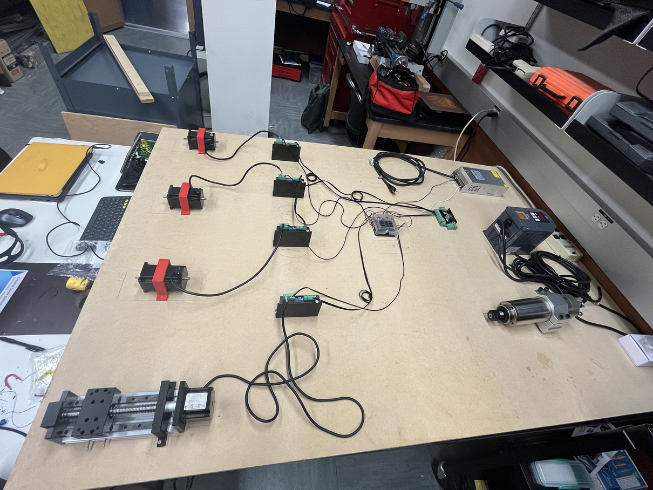
Wiring and electronics laid out for a build

Project Guideline

Starting a Project Is Simple

Show the Steps

1

Come up with an idea

Simple or ambitious, pick what excites you.

2

Find one teammate

Recruit someone to build, learn, or explore it with you. Foothill and De Anza students can both join.

3

Fill out the Proposal Form

Outline your idea, goals, materials, and timeline.

4

Check in with an officer

Get feedback, approval, and guidance before starting.

5

Budget, then order

List parts, estimate costs, submit for approval.

6

Begin building!

Start prototyping, testing, and iterating.

Your plan doesn't need to be detailed to get started. If you need help along the way, ask around. We're a community first, and everyone, officers or not, is happy to help. Getting a feasible project off the ground is the most important part.

Before Your Check-In

Project Proposal Form

Have these ready before you meet an officer.

Open the Proposal Form

Form link coming soon.

Filling this out first keeps your check-in quick, since officers can review it before you meet.

Picking Up Where Someone Left Off

If a Project Has No Active Members

Some projects pause when students transfer or get busy. If you want to revive one, here's how.

Show How
  • Tell an officer, and we'll reopen the project channel
  • Restart it with just one teammate; two makes it active again
  • Follow the same steps as a new project: proposal, check-in, budget, build
  • You do NOT need experience. Officers can connect you to mentors and past documentation
A close-up of the go-kart's motor and pedal mechanism

Stay Organized

Project Team Roles

Every project needs a small leadership structure. Roles can be shared or rotated, no experience required.

Project Lead

Keeps the team organized, runs meetings, and talks with officers.

Documentation Lead

Tracks progress, photos, and notes for the project channel.

Technical Lead (optional)

Guides engineering decisions and supports troubleshooting.

Team Members

Build, research, design, test. Everyone contributes.

Chapter Three

Funding & Resources

The club can help fund approved projects. Here's how to request it:

1

Have your proposal approved

Get sign-off from an officer first.

2

Put together a parts list

Include estimated costs for everything.

3

Submit your budget sheet

Send it to the treasurer for review.

4

Order or reimburse

Officers order materials for you, or approve a reimbursement through ICC.

Equipment being assembled in the shop

Beyond the Club

Resources You Can Use

Chapter Four

Member Expectations

To keep the club welcoming and productive, we expect members to:

  • Show up to project meetings you commit to, or give notice
  • Communicate in the project Discord channel
  • Treat shared tools, space, and materials with care
  • Support teammates, ask for help and offer it
This is a learning space. Mistakes are normal, and no experience is required to join.
Club members together at a weekly meeting

Before Using Any Lab Equipment

Safety & Workspace Etiquette

Show the Rules
  • Complete a safety orientation before using any tool
  • Only use equipment you've been trained on
  • Follow posted rules for each space
  • Clean up your workspace when you're done
  • The Machine Shop is only open with Ed or Frank present
Ask questions. Don't touch equipment you're unsure of.
Can't continue a project? Tell your team or an officer right away.
A member gearing up before using shop equipment

Chapter Five

Officer Contacts

Stay Connected

Get In Touch

One More Thing

Club Constitution

Our club constitution is currently being updated. Once it's finalized, the full document will be linked here and pinned in Discord for every member to reference.

Coming soon, check #announcements for the update.